
Is today a good day to go kitesurfing? – live verdict
Compare kitesurfing wind, gusts, temperature and forecast storms.
Choose your location to load today’s verdict and its reason. No current verdict is available until the forecast loads.
What makes a good kite day
Kitesurfing needs wind, but more wind is not always better. This model penalises both very light and very strong conditions, using forecast gusts when available and wind speed as a fallback. Storm codes impose a NO-GO. Rain and feels-like temperature also affect the score; a high rating is not a statement that a spot suits every rider.
Compare sustained wind and gusts before choosing equipment. The tool does not evaluate wind direction, offshore flow, gust consistency within an hour or local turbulence. Tides, currents, waves, water temperature and launch access also need separate checks. Read the full session forecast and follow local advice and your equipment limits, especially when the best available window is still marked caution.
| Changed input | Score | Verdict | Cap |
|---|---|---|---|
| Wind input 10 km/h | 30/100 | NO-GO | NO-GO |
| Wind input 14 km/h | 64/100 | MAYBE | MAYBE |
| Wind input 25 km/h | 100/100 | GO | None |
| Wind input 45 km/h | 64/100 | MAYBE | MAYBE |
| Wind input 53 km/h | 40/100 | NO-GO | NO-GO |
| Thunderstorm code 95 | 5/100 | NO-GO | NO-GO |
Each example changes only the listed inputs from a dry, clear reference hour: air and feels-like temperature 18°C, steady wind and gusts 10 km/h, visibility 10 km, no precipitation, 0% precipitation probability and UV 0. These illustrative results are calculated from the same scoring functions as the live tool. Several penalties can combine into a lower verdict.
A score of 70–100 is GO, 45–69 MAYBE, and 0–44 NO-GO. A MAYBE cap limits the effective score to 64, and a NO-GO cap to 40. These are the app’s suitability bands, not certified safe operating limits.
How the low-wind penalty works
Too little wind receives a penalty in this model as well as too much. Its no-penalty band is 15–38 km/h of the available wind input, which is gust speed when present. That does not show that sustained wind is sufficient to stay upwind, or that a particular kite and rider suit the conditions.
Gusts and storms are the danger
A gust value alone does not describe wind consistency. The model does not calculate gust spread, wind direction, offshore wind or launch conditions. Thunderstorm codes force NO-GO, but the tool is not a substitute for official warnings, current observations and local spot advice.
Plan the whole outing
Check a marine forecast, actual wind observations and the local spot rules before deciding. The selected city coordinate may not represent the launch area. A GO here cannot establish that wind direction is suitable or that launching and landing are safe.
The current model uses gust speed when available, otherwise steady wind. It does not evaluate wind direction, gust spread, offshore wind, wave height, tide, current, launch space, kite size or rider ability. Those omissions can change the decision entirely.
Forecast inputs: Open-Meteo Weather Forecast API. Scoring and limitations: GoNoGo methodology. Send corrections through Contact. Model explanations checked against the deployed scoring code on 14 September 2026.
Optional equipment references
These category links are not field-tested product reviews. Check fit, specifications and suitability independently; equipment does not override the weather verdict.
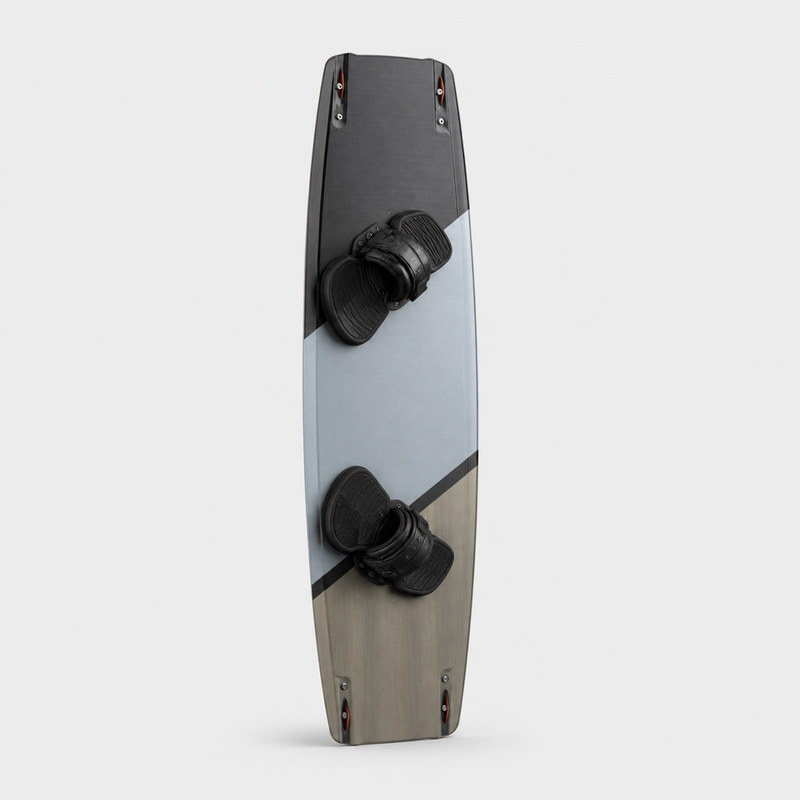
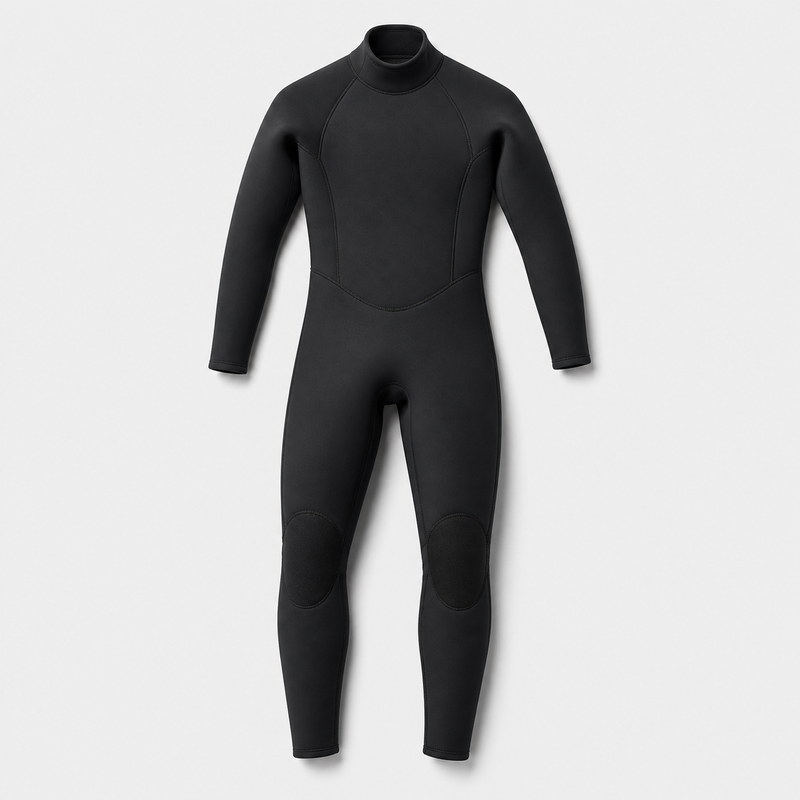
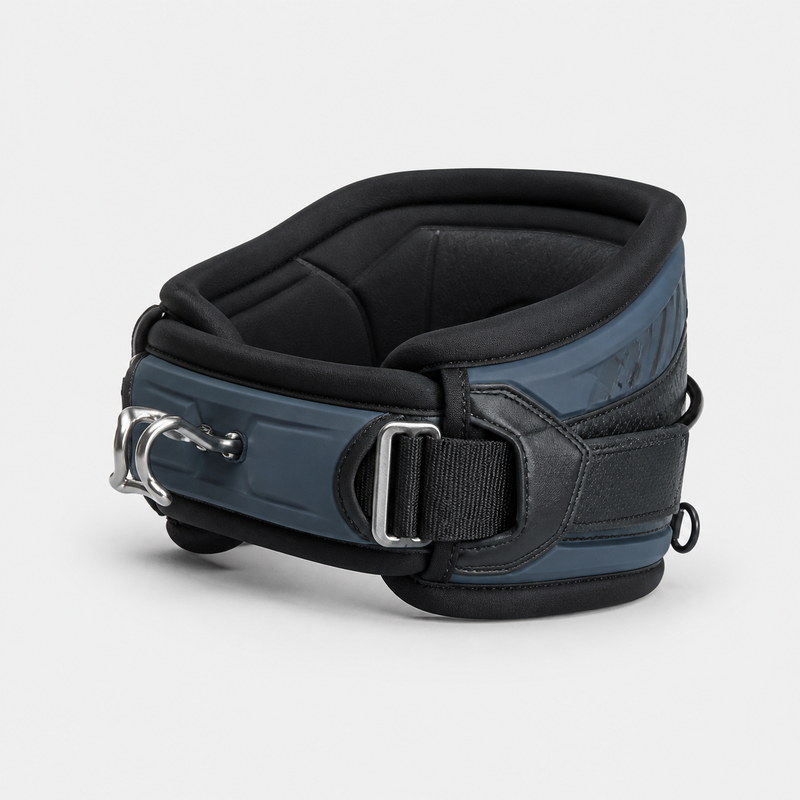
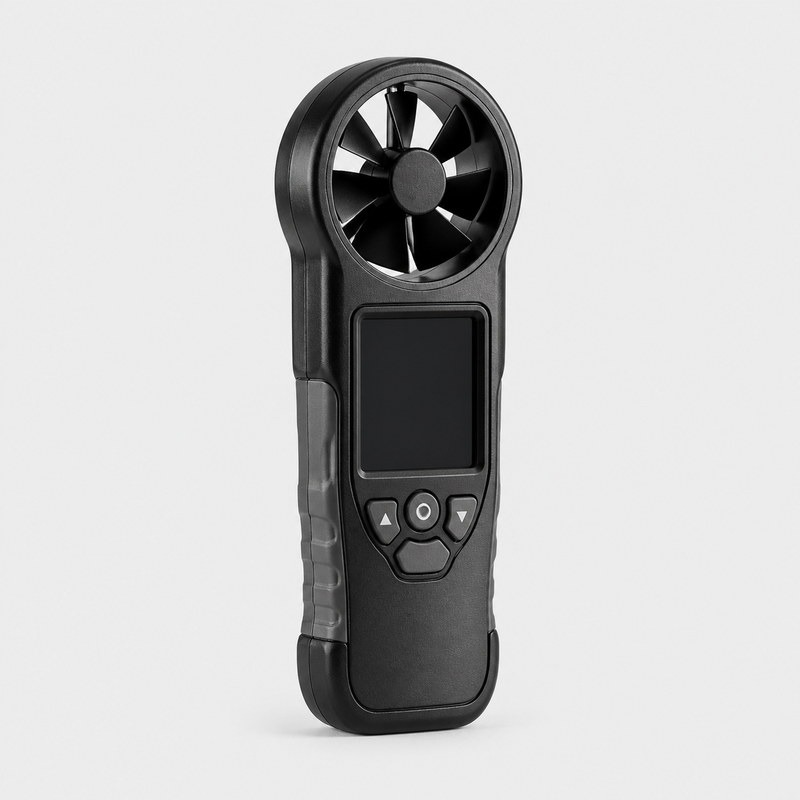
Affiliate disclosure: these Amazon links may earn us a commission at no extra cost to you. They are optional category searches, not tested product endorsements.
Kitesurfing weather FAQ
How much wind do you need to kitesurf?
That depends on the kite, board, rider and spot. This model has a no-penalty wind-input band of 15–38 km/h, using gust speed when supplied. Do not interpret it as a recommended sustained-wind range.
Can you kitesurf in a thunderstorm?
Do not treat a favourable forecast score as clearance around storms. Thunderstorm codes force NO-GO; the model cannot confirm a storm has passed or that launching is suitable.
Is it too windy to kite?
Compare observations and the marine forecast with your equipment limits and local advice. The model does not know kite size, rider ability or wind direction, so its fixed wind caps cannot answer for every session.
Prefer a boat? Check the sailing verdict, or the fishing tool, or start from the GoNoGo Weather home.