
Is today a good day to bike?
A point forecast for your bicycle ride, including a wet or windy return. Choose your location and your complete riding interval.
Plan your ride
Set your route and times to get a tailored weather forecast.
Your next great ride starts with the right forecast.
Insufficient data — choose a location to load a forecast.
Weather guidance, not a guarantee of safe riding. Check official warnings, road conditions and the full outward and return journey.
A GO cannot assess your bike, equipment, ability or every hazard.
Your whole ride, not one good hour
Best windows in green, rough periods in red
Example Illustrative hours, not weather data. Choose a place and check the forecast.
Today
Sat 10 Oct
Tomorrow
Sun 11 Oct
- GO
- Caution (MAYBE)
- Marginal (MAYBE)
- NO-GO
- Insufficient data
Better weather
Better rides
A bicycle forecast for the whole ride
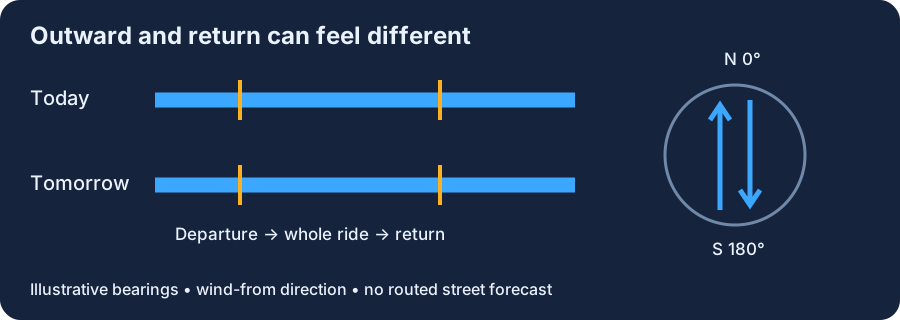
Choose departure and return hours, then compare both days. The selected interval inherits its worst hourly score. The best two-hour window is offered separately, alongside the day’s gust, precipitation and temperature extremes. This helps prevent an easy outward ride from hiding a wet or windy return.
With a travel bearing, the tool compares outward and return headwind scenarios using forecast wind direction at the selected times. It does not infer a real route: turning roads, shelter, bridges and changing gust direction can alter exposure. Wind comes from the named bearing; north is 0°, east 90°.
Heat, rain and your comfort
The cycling model starts penalising wet weather around 0.3 mm in an hour or a 60% precipitation probability. Personal limits can be stricter. Protective equipment and waterproofs do not increase the weather score. Apparent temperature is an ambient weather quantity, not a prediction of an exercising cyclist’s body temperature; no exertion correction is added. Carry suitable water and reassess effort in heat.
Existing point forecast and route planner
What makes a good cycling day
A headwind changes effort; sudden gusts can change control. This cycling model considers both wind speed and gusts, rather than treating a dry forecast as an automatic GO. Rain amount and probability, feels-like temperature and poor visibility also matter. Strong wind, storms and wintry weather can cap the result even when other conditions look pleasant.
Use the route forecast for the outward and return journey, and set an average speed that suits your ride. A short comfortable window may not cover a long outing. The forecast does not inspect road grip, potholes, traffic or bike condition. Your clothing, fitness and exposure affect comfort, so use the score to compare options rather than as a guarantee.
| Changed input | Score | Verdict | Cap |
|---|---|---|---|
| Dry reference hour | 100/100 | GO | None |
| Gusts 35 km/h | 92/100 | GO | None |
| Gusts 50 km/h | 64/100 | MAYBE | MAYBE |
| Steady wind 55 km/h | 40/100 | NO-GO | NO-GO |
| Rain 0.3 mm/h | 65/100 | MAYBE | None |
| Feels-like 3°C | 78/100 | GO | None |
| Rain plus gusts 45 | 45/100 | MAYBE | None |
Each example changes only the listed inputs from a dry, clear reference hour: air and feels-like temperature 18°C, steady wind and gusts 10 km/h, visibility 10 km, no precipitation, 0% precipitation probability and UV 0. These illustrative results are calculated from the same scoring functions as the live tool. Several penalties can combine into a lower verdict.
A score of 70–100 is GO, 45–69 MAYBE, and 0–44 NO-GO. A MAYBE cap limits the effective score to 64, and a NO-GO cap to 40. These are the model’s suitability bands, not certified safe operating limits.
Wind matters more than cyclists admit
Unlike a car or motorbike, on a bike you are the engine — and a headwind can change both effort and journey time. The model reads steady wind and gusts, but not their direction relative to your route. Gusts at 50 km/h cap the result at MAYBE, and at 70 km/h at NO-GO; steady wind also has separate caps. These are model settings, not bike-handling limits.
Cold and heat both cost you
The rating uses the forecast’s feels-like temperature, which reflects ambient conditions rather than your cycling speed. Cold and heat receive different penalties, but the model does not know your effort, clothing or acclimatisation. Compare the return leg too: a comfortable departure is not a forecast for the whole ride.
Plan the whole outing
For a commute, compare your actual departure and return times rather than the best-looking hour of the day. For a longer ride, use the route planner and a realistic average speed. Check the destination forecast as well as the start: one city point is not a forecast for every kilometre.
The score cannot see surface grip, floodwater, traffic, the shelter along a cycle path or your bike-handling ability. It does not model how wind direction changes effort on the outward and return legs.
Forecast inputs: Open-Meteo Weather Forecast API. Scoring and limitations: GoNoGo methodology. Send corrections through Contact. Model explanations checked against the deployed scoring code on 14 September 2026.
Optional equipment references
These category links are not field-tested product reviews. Check fit, specifications and suitability independently; equipment does not override the weather verdict.
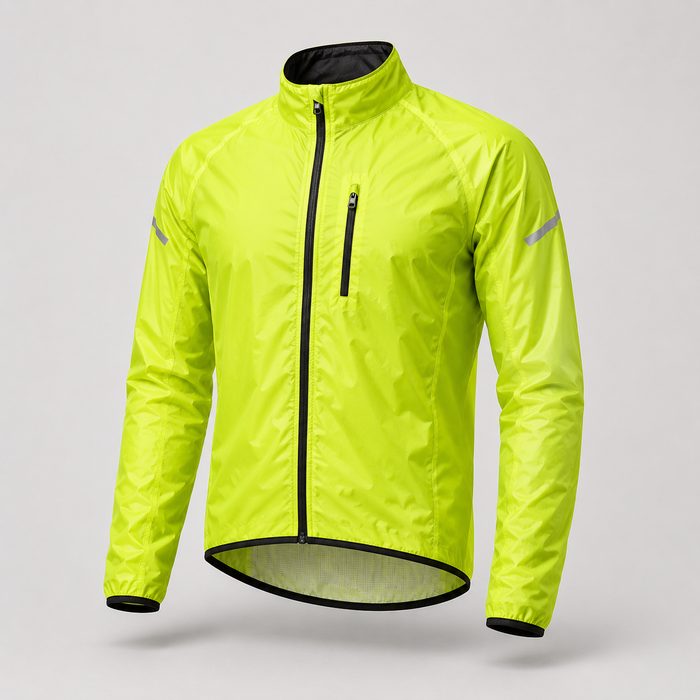
Packable rain jacket
A light waterproof shell can help with comfort in showers; it does not remove weather risks.
See options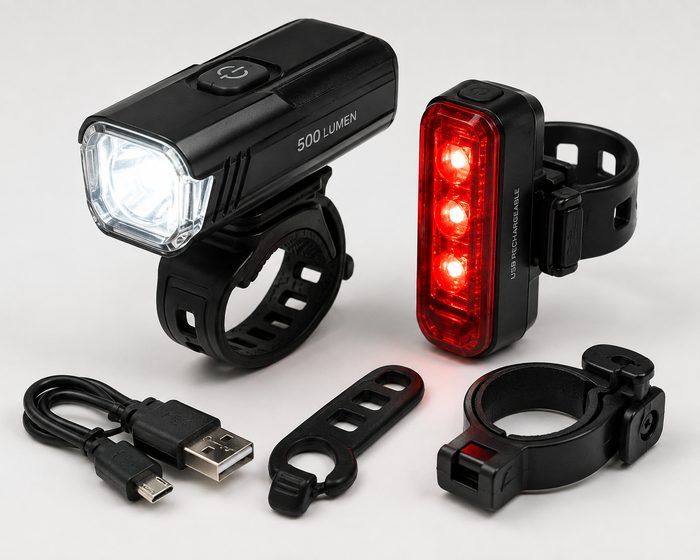
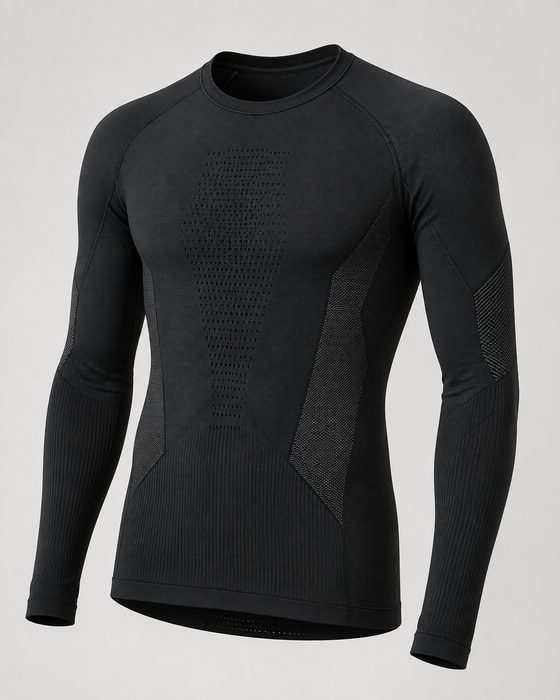
Base layers & gloves
The biggest comfort upgrade for cold-morning and shoulder-season rides.
See options
Affiliate disclosure: these Amazon links may earn us a commission at no extra cost to you. They are optional category searches, not tested product endorsements.
Cycling weather FAQ
What wind speed is too strong for cycling?
The cycling model reads both steady wind and peak gusts. Gusts of 50 km/h or steady wind of 40 km/h cap it at MAYBE; gusts of 70 km/h or steady wind of 55 km/h cap it at NO-GO. Lower values can still be unsuitable for a particular rider, route or bicycle.
Is it OK to cycle in the rain?
Rain may affect grip, visibility and comfort in ways this point forecast cannot measure. A rain-only score can fall further when wind, cold or fog are added. Use the reasons and hourly values rather than assuming that a jacket makes every MAYBE suitable.
How cold is too cold to ride?
There is no personal minimum temperature in this tool. It scores feels-like temperature, not the state of the road or your ability to keep warm. Surface ice is not ruled out by a favourable air temperature or by the absence of a snow weather code.
How far ahead can I plan a ride?
The seven-day outlook compares possible days; the best-window line chooses a high-scoring daytime block from the available week. That block is not necessarily GO, and a daily rating does not cover every hour.
Cycling weather by location
- Cycling weather Netherlands
- Cycling weather Australia
- Cycling weather United Kingdom
- Cycling weather Germany
- Cycling weather Belgium
- Cycling weather Austria
- Cycling weather Denmark
- Cycling weather Ireland
- Cycling weather Poland
- Cycling weather Czechia
- Cycling weather Hungary
Also ride a motorbike or fly a drone? See the motorcycle riding weather and drone flying weather tools, or the GoNoGo Weather home.
Sources and limits
- Open-Meteo variable definitions
- NWS: heat-index context
- NWS: lightning precautions
- NHTSA: bicycle visibility and equipment
Source review: 10 October 2026. Forecasts: Open-Meteo, CC BY 4.0. Planning thresholds are GoNoGo preferences.